Materials & dials
Name the material. Then name the part.
A ceramic bezel is not a ceramic case. An enamel label is not a documented firing process. These guides make the distinction visible before the recommendation.
Materials & dials: 5 buying guides
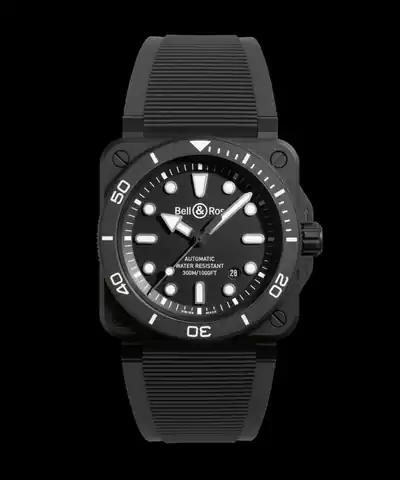
10 Watches with Ceramic Cases or Bezels
Compare ten watches with ceramic components identified: case, bezel or dial. Check what is actually ceramic before paying for the label.
Read the shortlist →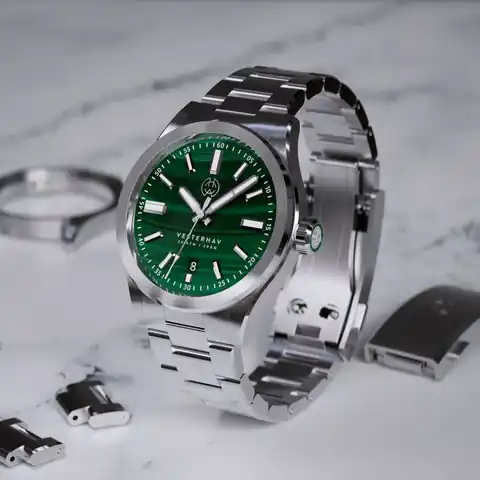
10 Natural Stone Dial Watches: Malachite, Lapis & More
Malachite, lapis and other natural stone dials: compare ten exact watches, their dimensions and the variation to expect in the material.
Read the shortlist →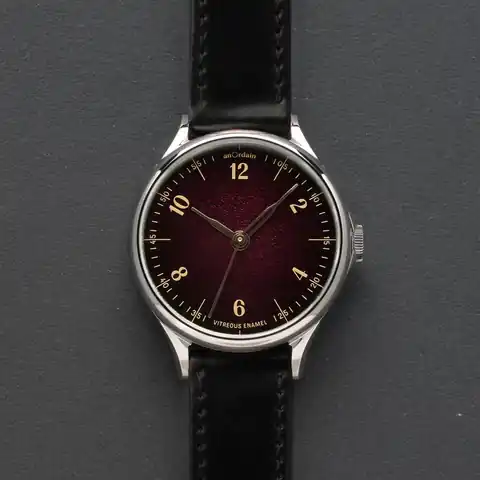
10 Enamel Dial Watches: What the Makers Disclose
Compare ten enamel-labelled watches with the process evidence disclosed. Fired enamel, maker descriptions and conflicting claims stay separate.
Read the shortlist →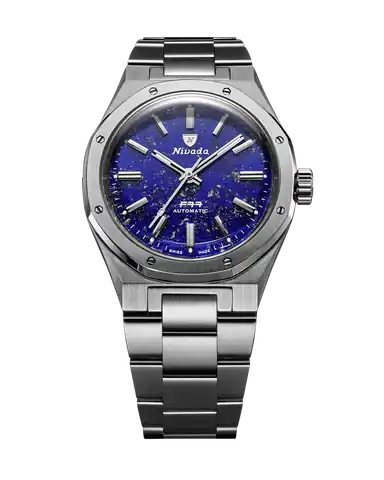
10 Titanium Watches
Start with the case material, then check the whole watch. Ten titanium options with their dimensions and configuration compromises.
Read the shortlist →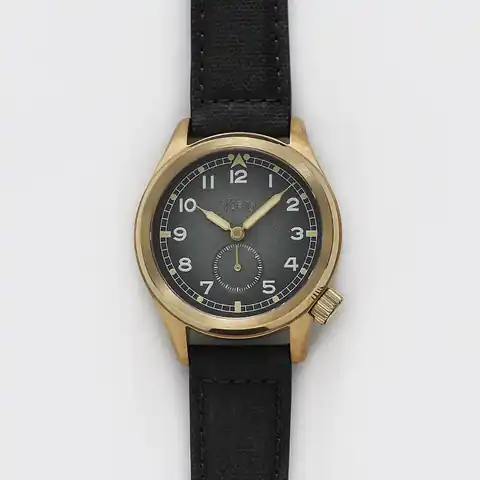
10 Bronze Watches: Alloys, Patina & Skin Contact
Compare bronze components, stated alloys and skin-contact surfaces across ten watches. Patina is an ownership choice, not a universal upgrade.
Read the shortlist →Dial material or case construction?
Natural stone and enamel guides focus on the dial and the evidence for it. Titanium, bronze and ceramic guides ask which components use the material and what touches the skin.
Keep variation and upkeep in view
Stone patterns vary. Bronze changes with use. The attraction is personal; the useful comparison includes the compromise, the configuration and the maker’s disclosure.